远程办公:用 AI 会议纪要省下每天 2 小时
The tiring part isn't the meeting — it's the cleanup. Live transcripts and summaries let you listen, not scribble.
The pain
- 漏重点、跟不上
- 半小时起步
- 谁该做啥说不清
Tools & flow
- 入会实时转录、分发言人
- 自动给要点+待办
- 粘进 Notion/飞书
Steps
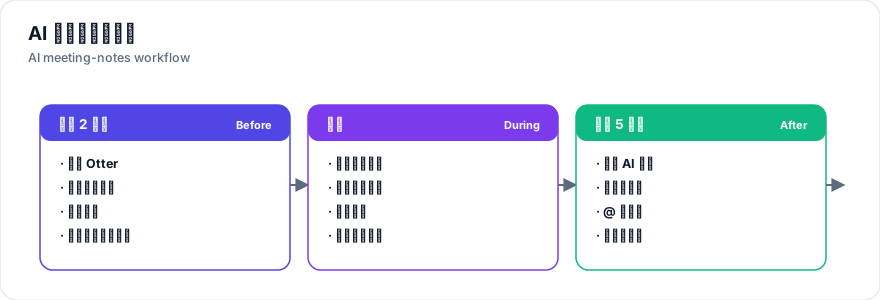
Start Otter before the call; get transcript + summary after; paste action items into your doc and @ the owner.
Privacy
- 关自动上传或本地转写
- 看清厂商数据处理条款
- 按公司政策留存
Wrap-up
Offload recording to AI, keep thinking for yourself — both efficiency and follow-through improve.
The full workflow
2 min before
Open Otter, confirm the meeting integration, test your mic, and set a template with a named action-item owner.
During
Let it transcribe; focus on the discussion. Glance at live captions occasionally to catch drift.
5 min after
Copy the action items into your team doc and @ the owners. Keep the transcript as an archive.
By role
- Project leads:用行动项跟踪进度与责任。
- Interviewers:用可检索的文字稿快速找原话。
- Students:课后回看要点,不必重听整节课。
Rolling out for a team
- Standardize templates:全组用同一套笔记结构,便于横向检索。
- Track actions only:让 AI 负责记录,人只负责决策。
- Avoid tool sprawl:一个转录 + 一个文档工具足够,贪多反而乱。
Real case: 2 hours saved per week
A 6-person remote team held two 60-min reviews weekly and spent ~35 min per meeting on notes (≈70 min/person/week). With Otter, wrap-up dropped to ~5 minutes (copy action items and tag owners), saving the team ~2 hours a week.
- Rollout tip:只让一个人负责「会后 5 分钟」的动作,否则容易变成没人做。
- Boundary:涉及客户机密的会议仍建议关自动上传,用本地转写替代。